
How to Budget as a Small Business Owner

If you’ve ever planned a holiday, you already understand the basics of budgeting. You know roughly where you want to go and what you want to do, you work out what it’ll cost (some of it exact, some of it a guess), and you figure out how much you need to save and by when.
A business budget works the same way! It’s simply a financial plan for the income you expect to earn and the bills you expect to pay over a set period of time.
Even if you’ve never budgeted before, it’s essential that you have a budget for your business.
With the help of our partners at Xero for Good, we’re showing you how to budget as a small business owner – let’s dive in!
What Is a Budget, and Why Does Your Business Need One?
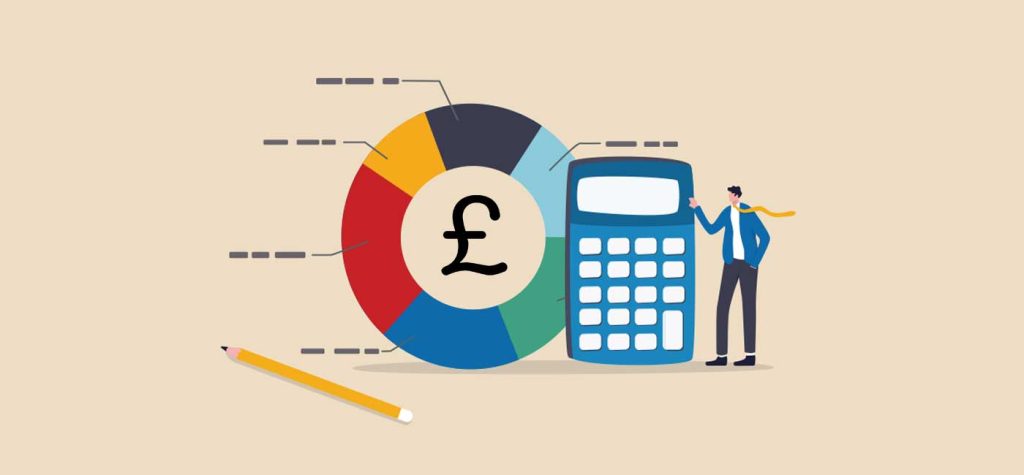
A budget is a financial plan covering the income you expect to earn and the costs you expect to pay over a set period. Some numbers you’ll know for certain, like your rent. Others you’ll have to estimate, like next quarter’s sales. The longer you track your budget, the more accurate your estimates become.
A good budget helps you:
- Set prices that properly cover your costs and your time
- Plan ahead for tax, materials, and other business expenses
- Avoid undercharging or being caught out by surprise costs
- Prepare for funding or grant opportunities
- Build a buffer for the unexpected
Many of us are scared of knowing our numbers, but a budget is there to help you get on top of things! It’s going to help you run your business better and help you make decisions confidently 💪
🎥 Want to see it in action? Watch the intro to budgeting video on our resource centre.
What does a budget look like in practise?
No two budgets will look the same, but there are some commonalities depending on your business model. Let’s look at how budgeting may differ for product-based businesses and service-based businesses!

Budgeting for a Product-Based Business
If you sell a physical product, there are five things your budget needs to watch for:
- Costs that grow with sales: Materials and packaging costs rise as you sell more. Budget for that growth now, not after it’s eaten your margin.
- Cash before income: Stock and equipment often need paying for before customers pay you – don’t get caught out!
- Supply chain risk: Supplier delays or price rises are out of your control. Build in a buffer so one bad month doesn’t derail your quarter.
- How far you can flex your pricing: Know your true costs, so you can decide whether to compete on price or double-down on what makes you different.
- The cost of your own time: Even in a product business, your time is a cost. Make sure your pricing reflects it!
Example:
Let’s imagine you’re an artisan candle maker. You’re budgeting £2 per candle for the wax and the wicks. Fantastic news! Your orders have grown from 100 to 500 units a month. But as your orders grow, your material costs have risen from £200 to £1,000 overnight.
If we haven’t budgeted for this growth, that jump could catch us off guard and affect our cash flow. But if we had budgeted, we would have built a buffer so that increased material costs didn’t hit us so hard.
🎥 Want to see it in action? Watch the product-based budgeting video on our resource centre.

Budgeting for a Service-Based Business
If you deliver a service, there are five things your budget needs to watch for:
- Costs that grow with your client base: More clients often means more admin, tools, and support. Budget for that growth, not just the income it brings.
- Cash before income: New tools, subcontractors, or admin support are often needed before new client revenue lands – plan for it.
- The hidden hours: Proposals, travel, admin, and unpaid client calls rarely get invoiced, but they still cost you time. Budget for them so they don’t quietly eat your margin.
- Pricing that reflects your value: Pricing too low might win the job, but it costs you in the long run. Factor in your time, value, and overheads, not just the headline rate.
- The ripple effect of growth. A bigger space or extra staff both come with financial knock-on effects worth mapping out before you commit.
Example:
Imagine you’re a confidence coach. Great news! You’ve landed 3 new clients in a month. Now, alongside the paid delivery hours, you’re also now spending an extra 10 unpaid hours a week on calls and admin. If we’ve not budgeted for that time, you’re busier than ever, but actually earning less per hour than before you brought the new clients in. Whereas, if we’d budgeted for that potential growth, we’d have priced our services correctly to include those hidden hours so that you’re not making a loss!
🎥 Want to see it in action? Watch the service-based budgeting video on our resource centre.
Proactive vs. Reactive Budgeting
Your budget is a bit like a dashboard for your business’s health. It’s going to quickly highlight when things are going well, and when things might be getting off track.
If you wait until your numbers show something seriously wrong (e.g. your costs outstrip your sales), you’ll be using your budget reactively. This is because you’re waiting until after something has happened to take action. Many founders starting out will fall into this bucket.
This approach isn’t inherently bad, because knowing your numbers still puts you in a strong position to take action and turn things around!
But the great thing about getting nerdy about your budget is that it can show you something is off before things go really wrong. This is using your budget proactively.
Rather than waiting until we’re at panic stations, your budget can show you something is off, allowing you more time to course correct and get back on track before the disaster even hits!
Now, it’s worth noting that not every change is a red flag. So you don’t need to panic every time you see a change. For example, you might see a rise in your costs, but this might indicate that you’re growing – which is good news!
The aim is not to panic at every change; instead, the goal is to understand your numbers so that you can act if needed.
When using your budget proactively, you can test “what if” scenarios before they happen:
- What if supplier prices rise?
- What if I land double the clients next quarter?
- What if I launch something new?
Having this future-thinking allows you to stay on top of your numbers and make confident decisions in your business.
🎥 Want to see it in action? Watch the proactive budgeting video on our resource centre.
3 Questions to Check Your Business Budget
A budget is only useful if you actually check in on it! Rather than treating your budget like a document you write once and forget, run it through a simple health check on a regular basis, weekly if your cash is tight, monthly or quarterly otherwise.
1. What did I expect, and what actually happened? Compare your budgeted numbers against the real ones. Did income and costs land where you predicted, or were they higher, lower, or later than planned?
2. What changed, and why? Look for the pattern behind the numbers. A cost creeping up might be a warning sign, or it might simply be a sign of growth, like more materials because you’re selling more, or more admin hours because you’ve landed new clients. The goal isn’t to panic at every shift, it’s to understand what’s driving it.
3. What will I do about it? Based on what you’ve found, decide your next move: keep going as planned, adjust your budget, or dig deeper before making a call. If things went better than expected, celebrate it. If they didn’t, investigate and change course if needed.
You won’t get every prediction right, and that’s the point. Each check-in makes your next budget a little more accurate, and gives you a clearer picture of how your business actually runs, not just how you hoped it would.
Bringing It All Together
A budget isn’t a document you write once and file away. It’s a living plan you check regularly, learn from, and adjust as your business grows. Whether you’re managing materials and supply chains as a product business, or hidden hours and client admin as a service business, the same principle holds: a budget turns guesswork into a plan, and a plan into confidence.
If you want to get on top of managing your business finances, check out our financial foundations and our financial statements guide to get confident knowing your numbers 💪
About Xero for Good
We’re very pleased to be partnering with Xero for Good and their Unlock Your Numbers programme, which covers essential financial topics like understanding financial statements, budgeting, and forecasting. It’s designed to help small businesses develop the confidence to manage their finances effectively.